

Stronger soils. More resilient crops. Smarter fertilization.
Who We Are ?
Advanced Crop Nutrition for Stronger, More Resilient Plants.
Fertiscoria develops advanced crop nutrition solutions designed to help plants grow stronger, use nutrients more efficiently, and stay resilient under field pressure.
Our formulations combine essential nutrients with plant-beneficial mineral inputs—supporting sturdier plant structure, healthier development, and improved tolerance to stresses such as heat, salinity, and disease pressure.
The result is more consistent crop performance and better yield and quality potential, season after season.

Watch the explanatory video showcasing the benefits of Fertiscoria for your production.
Key benefits of Fertiscoria soil amendments and fertilizers
Fertiscoria provides soil amendment and fertilization solutions designed to improve soil performance and support crop resilience—especially under challenging conditions such as water stress and salinity.
Built on circular-economy innovation and developed with research support, Fertiscoria helps growers strengthen crop consistency, optimize nutrient use, and farm more sustainably.
- Productivity
- Solubility
- Resistance
- Sustainable
Maximize agricultural productivity with Fertiscoria — a sustainable investment in soil performance
Fertiscoria helps growers improve agricultural productivity by supporting soil fertility and crop performance, even under challenging conditions.
By enhancing soil function and helping optimize nutrient use, it contributes to stronger crop establishment, more consistent growth, and better season-to-season reliability.
As a circular-economy solution developed with research support, Fertiscoria is an investment in more sustainable and profitable farming.

Improving nutrient availability in the soil (phosphorus, minerals) for better crop performance
Fertiscoria is designed to support nutrient availability in the soil—helping growers improve fertilization efficiency and crop uptake of key elements such as phosphorus. By reducing nutrient losses and improving how plants access available minerals, Fertiscoria supports healthier crop development and more consistent yields, while helping limit over-application of fertilizers.
Integrate Fertiscoria into your fertility program to optimize nutrient use and strengthen long-term soil productivity.

Support crop resilience to pests, diseases, and environmental stress
Fertiscoria is designed to support stronger, more resilient crops by improving overall plant robustness and helping plants cope with challenging field conditions. By reinforcing crop performance under stress—such as heat, drought, and other pressure factors—Fertiscoria helps growers maintain healthier, more consistent growth throughout the season.
The result is improved crop consistency and more reliable productivity, even when conditions become demanding.

A more sustainable soil amendment — built on circular economy innovation
Sustainability is at the core of Fertiscoria’s approach. By transforming industrial by-products into valuable agricultural inputs, Fertiscoria supports circular economy agriculture and helps reduce reliance on newly extracted raw materials for soil fertility. This model can contribute to a lower environmental footprint compared with conventional inputs, while supporting long-term soil performance.
We prioritize transparency and continuous improvement—impact data and technical documentation can be provided upon request.

Available in Liquid and Powder solutions — across 3 product ranges.
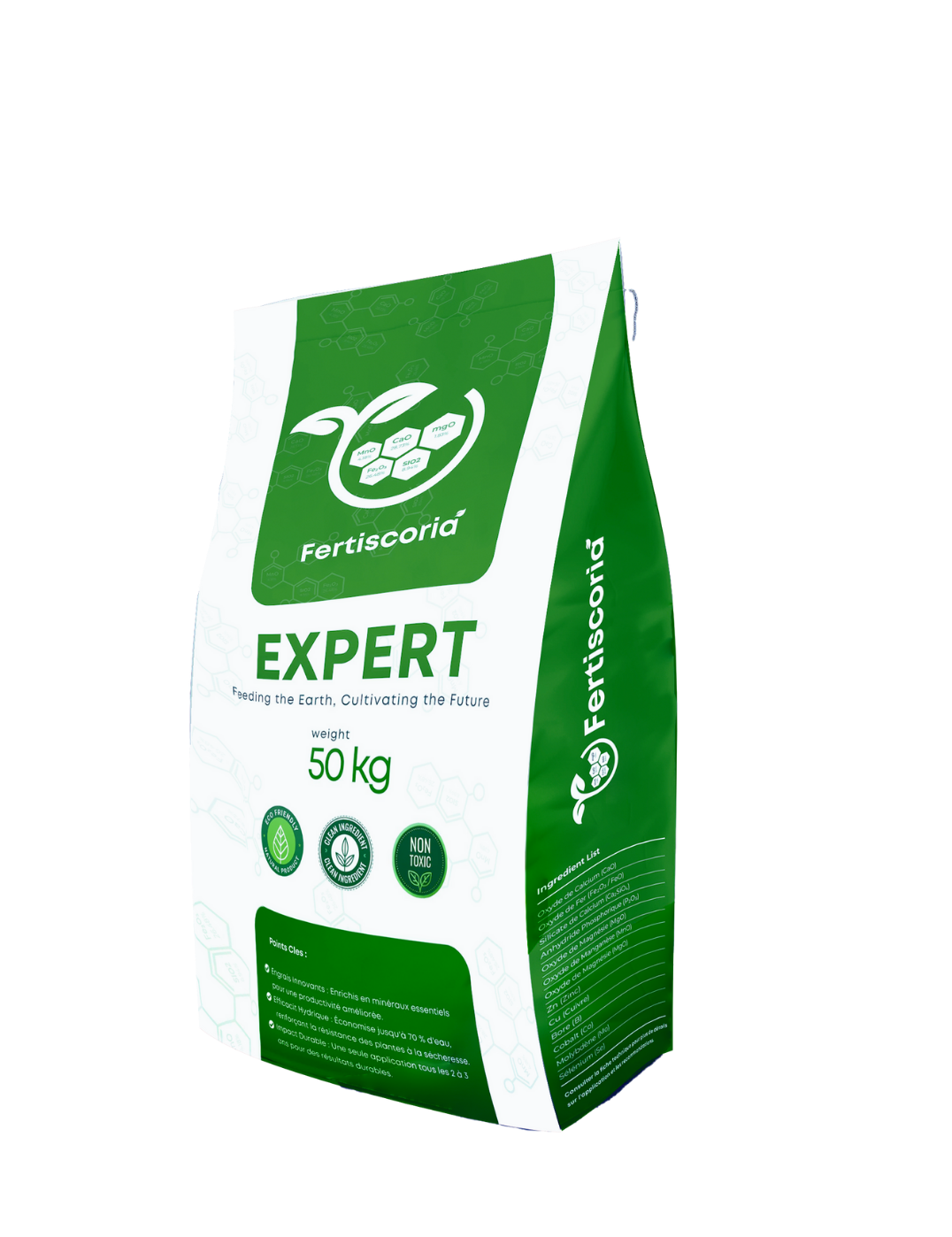
Fertiscoria Expert
Soil Conditioner in the form of Calcium and Magnesium Silicate.
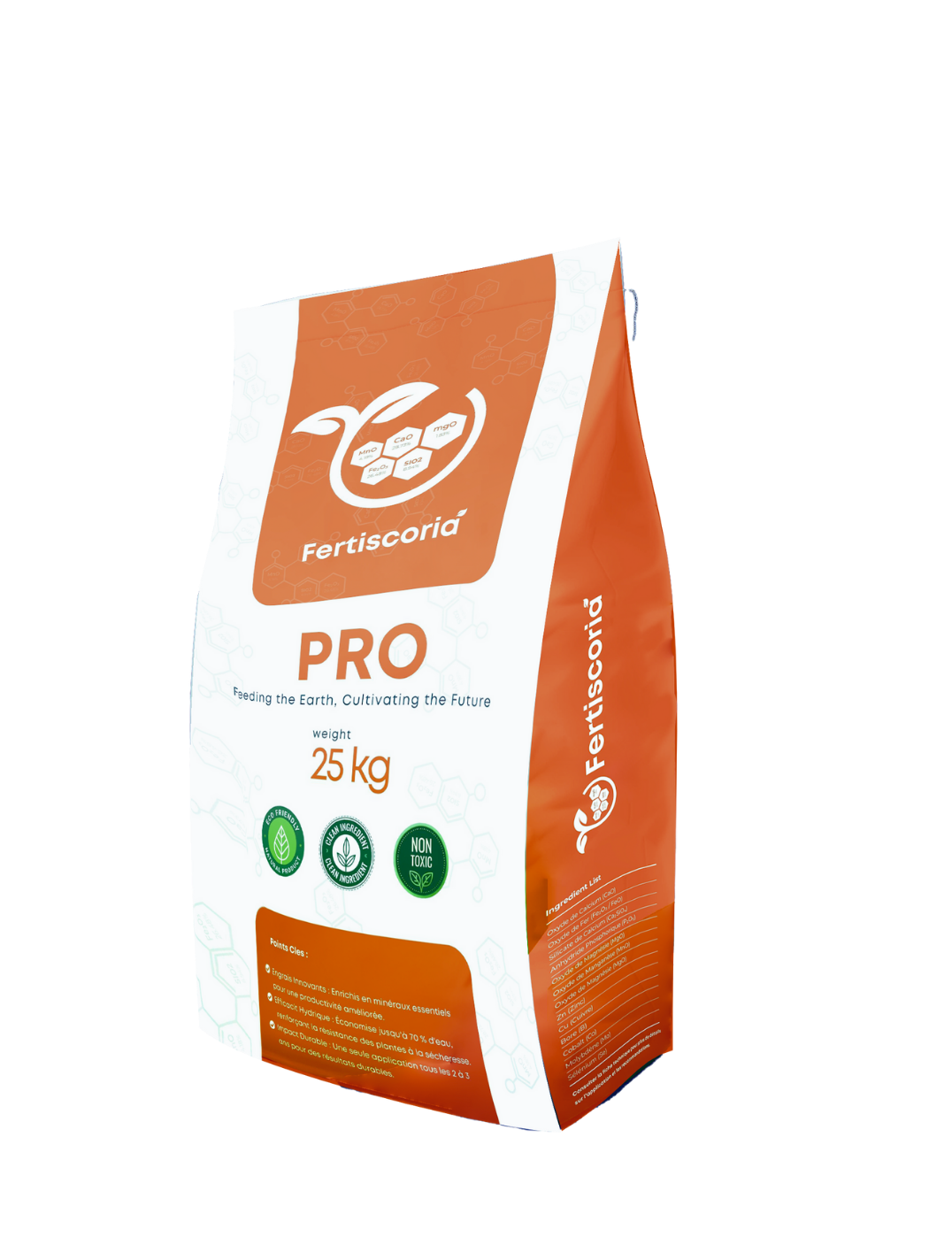
Fertiscoria Pro
Plus Simple Mineral Fertilizer containing the micronutrient Silicon and the macronutrients Calcium and Magnesium.
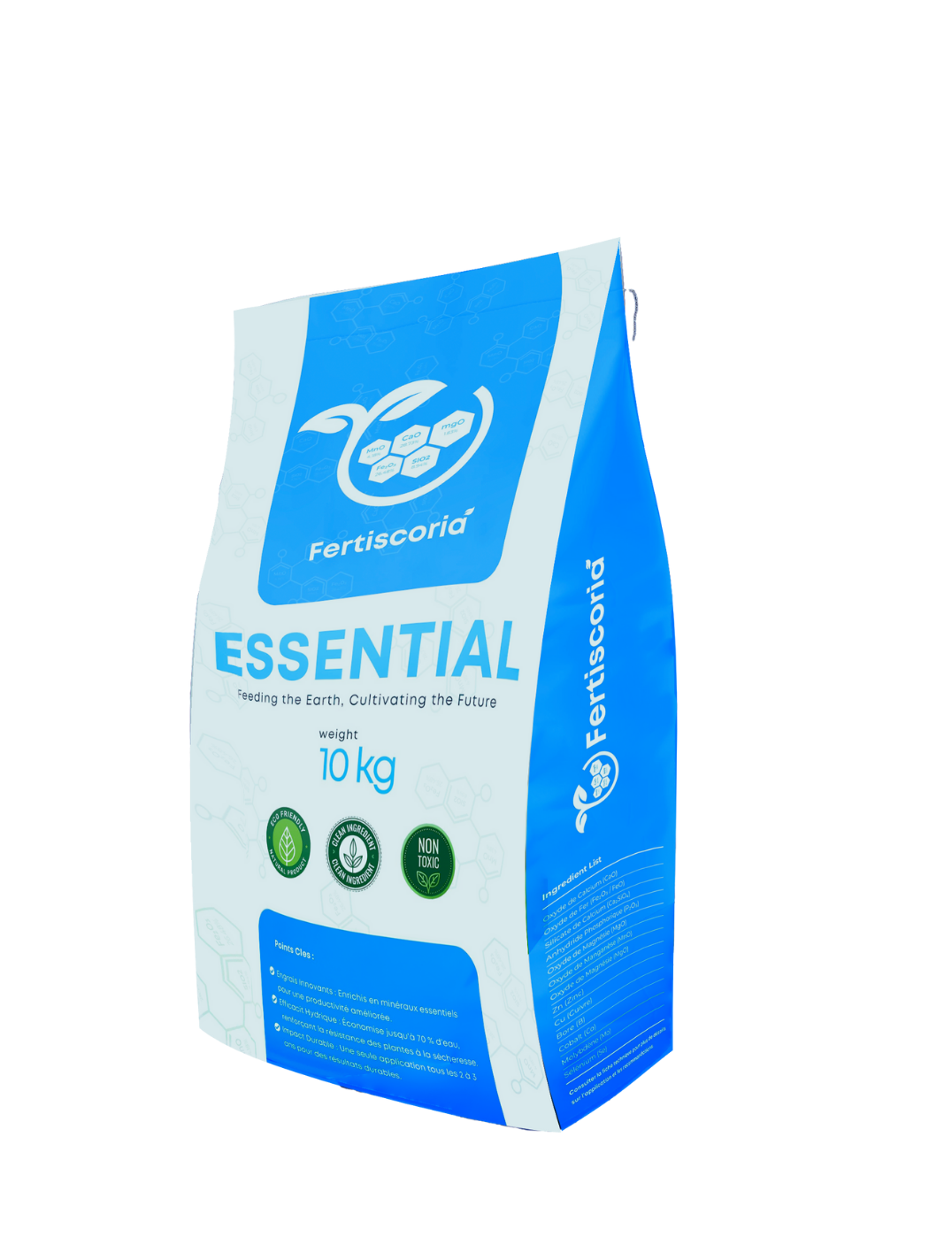
Fertiscoria Essential
Multinutrient Fertilizer containing Calcium, Magnesium, Silicon, and Sulfur in the same particle.
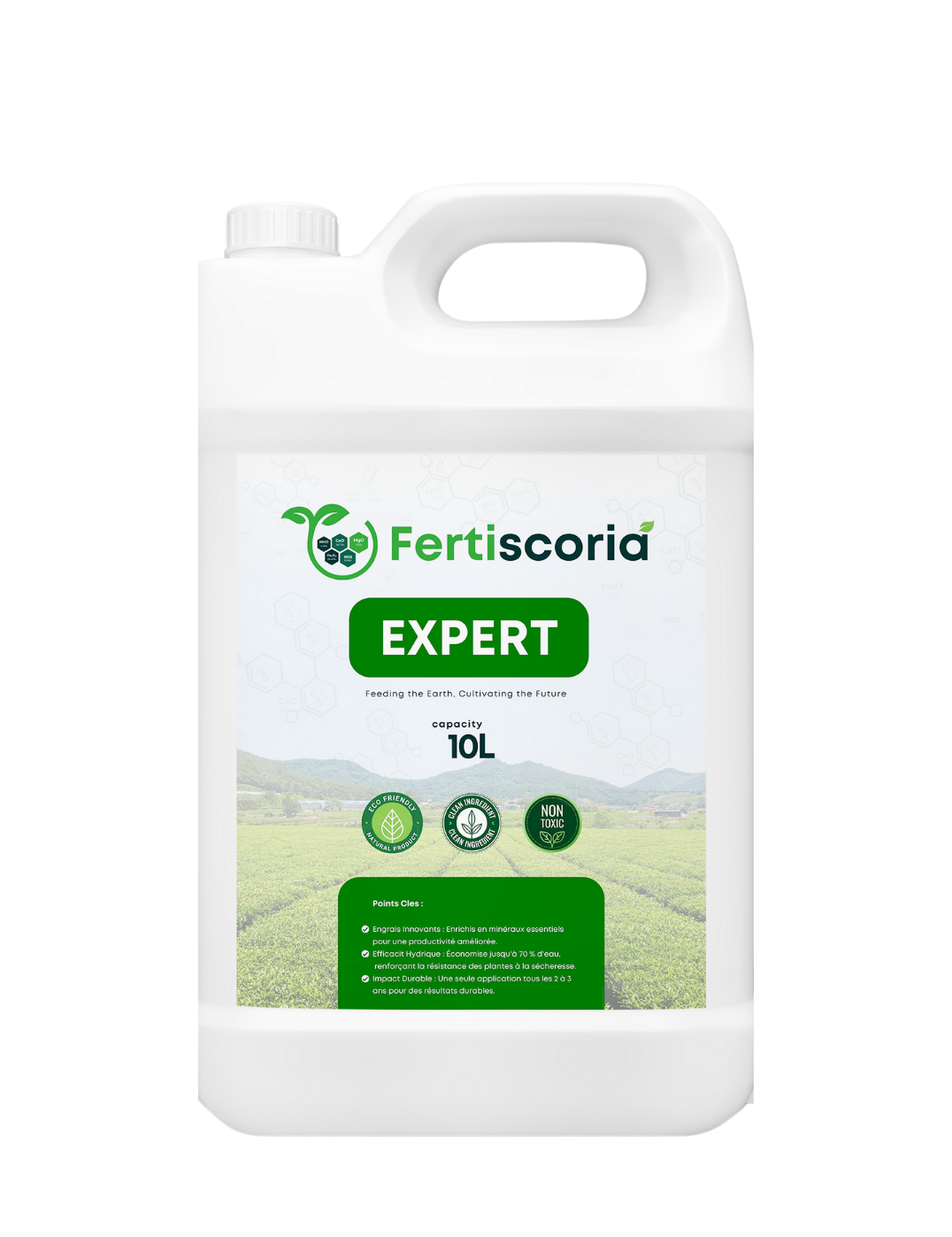
Fertiscoria Expert
Multinutrient Fertilizer containing Calcium, Magnesium, Silicon, and Sulfur in the same particle.
LOWER-IMPACT SOIL SOLUTIONS BUILT ON CIRCULAR INNOVATION !
Fertiscoria transforms industrial by-products into agricultural value—helping reduce reliance on newly extracted raw materials. Designed to support more sustainable farming, it can contribute to a lower environmental footprint compared with conventional limestone-based soil correction. Environmental impact documentation is available upon request.

A lower-impact alternative to limestone for soil correction. Circular-economy soil amendment for sustainable agriculture.
Watch the explanatory video on the circular economy generated through the production of Fertiscoria.
Where to buy Fertiscoria ?
Find Fertiscoria through our network of authorized distributors and local representatives. Use the map below to locate the nearest point of sale or pickup location. Don’t see your region? Contact our team—we’ll connect you with the right partner or arrange delivery so you can get Fertiscoria wherever you farm.
FREQUENTLY ASKED QUESTIONS ?
I already use Urea/DAP/NPK. Why should I use FertiScoria ?
Urea, DAP and NPK are fertilizers that provide the soil with primary micronutrients, such as nitrogen, phosphorus and potash. But plants also need other micronutrients and secondary nutrients for balanced growth and yield. FertiScoria provides a wide range of these micronutrients to help crops grow faster and increase yield.
DOES FertiScoria INCREASE PHOSPHORUS AVAILABILITY IN THE SOIL?
Studies have shown that the application of silicates such as FertiScoria increases the availability of silicon in the soil solution in the form of monosilicic acid (H4SiO4). This is the only inorganic ion with a greater affinity for iron and aluminum oxides, competing for the same adsorption sites and potentially releasing the phosphorus retained in the soil solution. Therefore, the application of FertiScoria before or with phosphate fertilization can block the fixation charges (adsorption sites), thus significantly increasing the efficiency of phosphate fertilization.
Thus, it can be deduced that the use of FertiScoria can improve the efficiency of phosphate fertilization over the years, reducing the application of phosphorus and, consequently, lowering production costs, phosphorus being considered the most valuable nutrient on the market.
HOW DOES SILICON ABSORPTION BY PLANTS OCCUR?
Plant roots take up soluble silicon as monosilicic acid (H4SiO4). This is transported by mass flux through the xylem and deposited mainly in the cell walls of leaves, but it can also occur in stems and roots.
Once deposited, silicon precipitates, becomes immobile and no longer redistributes within the plant. In grasses, silicon is generally concentrated in aerial tissues such as stems and leaves, and small amounts can be found in grains.
HOW DOES FertiScoria IMPROVE PLANTS’ WATER USE?
When absorbed by the plant, silicon (Si) forms a layer of silica gel on the epidermal cell walls, reducing water loss from the plant. It helps adjust the plant’s water potential, increasing photosynthesis and leaf water content, while activating antioxidant defense and helping prevent vessel collapse during high transpiration rates.
In summary, silicon naturally increases plant resistance, reduces water loss and allows for more effective tolerance to water deficiencies.
CAN IT BE MIXED WITH FERTILIZER?
FertiScoria is a calcium and magnesium silicate, an alkaline product, which can react when mixed with other fertilizers, therefore it is not recommended.
HOW DOES SILICON ACTS AS A RESISTANCE INDUCER?
Silicon is considered an inducer of biotic resistance, forming a chemical barrier that interferes with plant resistance. Studies highlight the importance of silicon in activating and/or enhancing genes that promote the production of enzymes related to defense mechanisms.
Researchers report that silicon interacts with the jasmonic acid signaling pathway, facilitating the production of defensive enzymes such as catalase, peroxidase, superoxide dismutase, polyphenol oxidase, and phenylalanine ammonia-lyase. These enzymes are key regulators of the production and accumulation of secondary metabolic compounds such as phenolics, phytoalexins, and momilactones.
HOW DOES RESISTANCE TO PESTS AND DISEASES OCCUR?
Resistance can also occur mechanically due to the rigidity of the cell walls provided by silicon. This prevents fungi from penetrating through the apppressoria and insects are unable to feed, leading to their death due to lack of food or cannibalism caused by the disruption of their system.
In the literature, there are studies showing that the mouthparts of caterpillars feeding on silicon-treated leaves can break. This mechanical resistance often leads to a reduction in the use of insecticides and fungicides, as well as an increase in natural enemies due to the reduction in the feeding of pests and diseases. This leads to lower production costs and an increase in crop productivity thanks to the use of FertiScoria.
CAN IT BE CONSIDERED A FUNGICIDE OR AN INSECTICIDE?
It is important to emphasize that FertiScoria is not a pesticide, insecticide, fungicide or nematicide.
What can be emphasized is its use in integrated management and the effect of silicon to induce plant resistance, making them less susceptible to attacks by pests and diseases, which in many cases can reduce the application of phytosanitary products.
DO ALL CROPS REQUIRE SILICON?
Silicon (Si) is considered a beneficial element that can contribute to plant development and productivity. However, data already indicate its essentiality for some crops, making them more reactive, especially for accumulating plants such as sugarcane, where its silicon content can exceed that of nitrogen and potassium.
Regarding silicon, there are three groups of plants:
Accumulators: generally monocots (grasses) with an active Si absorption process, with a foliar content higher than 10.0 g/kg of silicon on dry matter;
Non-accumulators: generally legumes, which do not actively absorb silicon and have a foliar content lower than 5.0 g/kg;
Intermediate: Si content ranging from 5.0 to 10.0 g/kg.
IS IT POSSIBLE TO OBSERVE SYMPTOMS OF SILICON DEFICIENCY IN PLANTS?
Visual symptoms of Si deficiency are usually not directly observed. When observed, they are mainly manifested by secondary symptoms such as plants more prone to lodging, increased pests, diseases and sensitivity to water stress.
IS THE COST-BENEFIT RATIO WORTH IT?
To assess the economic viability and cost-benefit ratio of FertiScoria, we must always analyze reactive areas, such as those with low silicon levels, regions subject to water deficits, high intensity of pests and diseases.
Therefore, the use of FertiScoria becomes another tool used to minimize losses and maximize productivity gains, thus providing greater profit to the producer.
DOES FertiScoria HAVE A RESIDUAL EFFECT?
Measuring the residual effect of soil amendments is challenging and depends on various factors such as the particle size of the product, the dosage used, the type of soil, its weathering state and the removal of crops.
There are many scientific studies that analyze amendments for their residual effects, ranging from 60 to 720 days. According to Prado et al. (2004), FertiScoria has a lower residual effect than limestone due to its higher solubility (6.78 times more soluble) and faster reaction rate.
WHAT IS THE EFFECT OF FertiScoria ON SOYBEAN NODULATION? IS IT POSITIVE?
Studies indicate that silicon addition induces a significant increase in nitrogen content in the aerial parts of the plant. Other studies claim a significant increase in the number and mass of Bradyrhizobium, leading to improved biological nitrogen fixation. However, the physiological basis for how and where silicate exerts its influence on nodulation and biological nitrogen fixation remains unknown.
DOES FertiScoria REACT FASTER THAN LIMESTONE?
FertiScoria can be up to 6.78 times more soluble than limestone, giving it a faster reaction rate in the soil. In addition to its soil correction benefits, FertiScoria offers many other benefits not found in limestone, including the availability of silicon, making its use even more viable.
CAN THE INCREASE IN CROP PRODUCTIVITY BE QUANTIFIED?
There are many results showing an increase in crop productivity thanks to the use of silicon, with statistically significant differences, especially when plants are under stress, whether abiotic or biotic.
We can show producers that the use of FertiScoria allows for more sustainable and environmentally friendly agriculture.
FertiScoria is one of the only sources of soluble and assimilable silicon, providing not only silicon but also calcium and magnesium and several other oxides easily assimilated by the plant. Its soil-correcting effect allows producers to obtain many benefits in a single application, thus reducing application costs and increasing profitability.
Can it be used for rice/wheat or for vegetables and trees?
FertiScoria has been tested and proven on cereals, legumes, vegetables and many other crops. The results of these crops show that the use of FertiScoria has given higher yields than those obtained with conventional fertilizers. Therefore, FertiScoria can be used on a wide range of crops such as rice, corn, sugarcane, wheat, tomato, onion, potato, olives, almonds, citrus fruits etc.
Should I continue to use other fertilizers even after using FertiScoria?
Yes. FertiScoria is a source of micronutrients and other nutrients, but it does not provide the level of nitrogen and phosphorus required by plants. Therefore, for best results, it is advisable to use FertiScoria together with the recommended fertilizers already used, but with lower doses than those applied previously. In fact, according to the results of research conducted in collaboration with Cadi Ayyad University, by using the recommended dose of FertiScoria, the recommended dose of conventional fertilizers can be reduced by 50% without affecting the yield.
Why is yield not affected when application of other fertilizers is reduced?
FertiScoria promotes plant growth in several ways, including improving PH balance, promoting longer root development and influencing the electrical conductivity of the soil. In addition, applying FertiScoria to the soil makes the native NPK already present (nitrogen, phosphorus and potassium) more absorbable by plants.
Suppose I didn't use it at the time of planting, can I use it after a month?
Yes. But it is advisable to use it 15 to 30 days before planting as this gives enough time for the plants to absorb nutrients from the soil and allow the crop to grow. Therefore, it is advisable to use FertiScoria as per the recommended usage for best results.
HOW IMPORTANT IS SILICON FOR AGRICULTURE?
Silicon (Si) is the second most abundant element in the Earth’s crust, second only to oxygen. In tropical and subtropical soils, silicon is often not in a form readily available to plants.
The use of soluble sources of silicon in agriculture is gaining momentum due to its positive results and the fact that it is a clean technology, in line with the current vision of sustainable agriculture, using it as an integrated management option.
It is considered a beneficial element, helping plant development and promoting the uptake of essential elements. Silicon is important for the normal growth and development of plants.
WHAT IS SOLUBILITY ?
Compared to limestone (calcium carbonate), FertiScoria (calcium silicate) is 6.78 times more soluble, with a solubility of 0.095 g/l, while limestone has a solubility of 0.014 g/l. Because it is more soluble than limestone, reactions occur at a higher rate and result in a shorter corrective action period.
Among other silicon sources, solubility varies considerably: blast furnace products have a higher silicon content and low solubility, while steel mill products have a lower silicon content but are more soluble.
Given the high solubility of FertiScoria, studies have shown its effectiveness in the soil-plant relationship by considering it as a corrective source.
WHAT IS PRNT ?
PRNT (Relative Total Neutralisation Power) is a reactivity indicator that defines the extent to which the amendment reacts within three months when incorporated into the soil under adequate water conditions. Thus, if the PRNT is 80%, it can be deduced that, in general, 80% of the limestone will react in the soil within three months, and the remaining 20% will react later.
Therefore, the higher the PRNT, the greater the short-term effect and the lower the residual effect. PRNT fundamentally depends on the reactivity (RE) and the neutralisation power (PN). RE is the relative efficiency of the particles by particle size class. PN indicates the ability of the amendment to neutralise soil acidity.
FertiScoria is registered as a simple mineral fertiliser, source of silicon, calcium and magnesium, with excellent physical and chemical properties in the soil, including the correction of acidity. Its PRNT is estimated at 85%. It should be noted that during the melting and cooling processes that the residues of the steel industry undergo to obtain steel or iron, silicate materials are formed, which have a porous structure with a larger specific surface, which leads to a greater dissolution of the particles and a faster reaction rate.
As a result, FertiScoria presents another positive attribute compared to other amendments such as limestone. However, it is important to note that current amendment regulations do not take into account the specific surface area.
DO ALL SILICON SOURCES CORRECT SOIL?
In the agricultural market, various products are sold as a source of silicon. However, they must contain a “neutralizing constituent” such as oxides, hydroxides, carbonates and silicates of calcium and/or magnesium. This is the case of FertiScoria, which contains calcium and magnesium silicate in its composition, with a high corrective power.
WHAT ARE THE DIFFERENCES AND ADVANTAGES OBSERVED WITH THE USE OF FertiScoria AS A SOIL CORRECTOR COMPARED TO LIMESTONE?
During the soil reaction process, limestone releases carbon dioxide (CO2), one of the agents responsible for the greenhouse effect. FertiScoria, on the other hand, does not release CO2, making it a product that complies with the ideals of environmental sustainability.
Limestone and FertiScoria differ in terms of specific surface area (contact area). The corrective power of FertiScoria may be greater due to the porous nature of its particles, which translates into a greater specific surface area and theoretically greater reactivity and solubility in the soil, infiltrating more easily through the soil profile than limestone.
Therefore, FertiScoria excels in its corrective effect and, in addition, contains silicon in its composition, contributing to the resistance of plants and improving their structure, making it a more complete product.